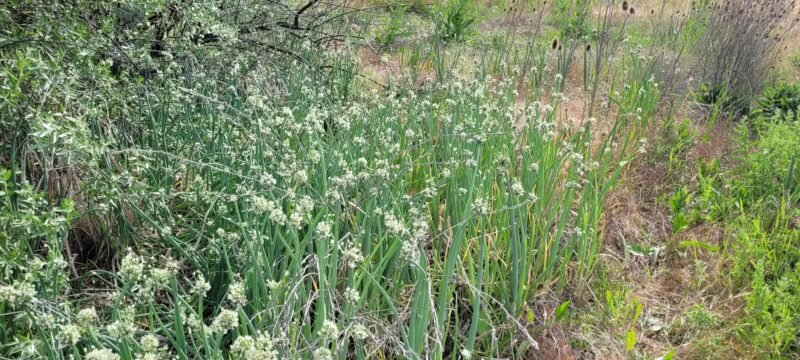
Jerusalem Artichokes Getting Established in the Foodforest
 Jerry Lindenburger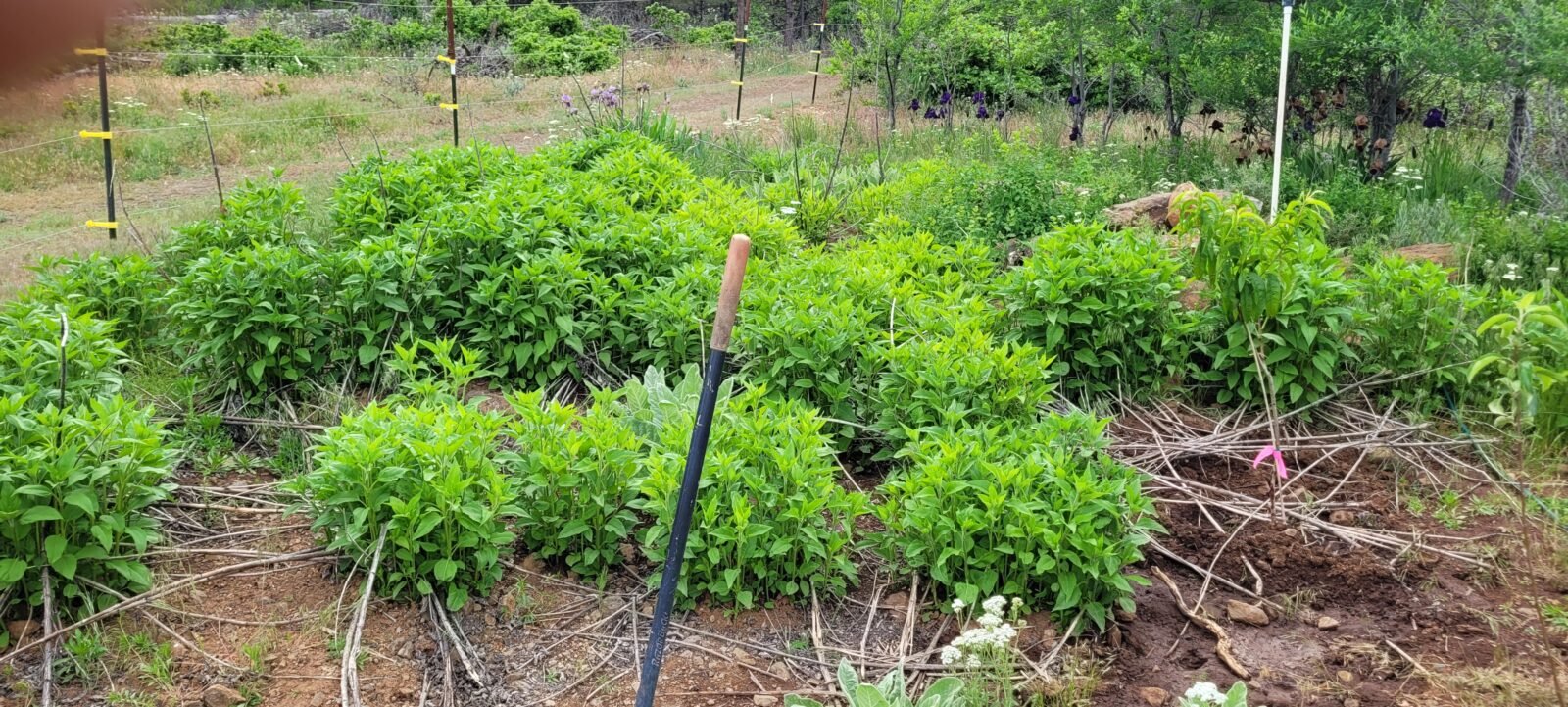
Jerusalem Artichokes Are Taking Off at Stony Oasis
A food-forest is all about creating food, and I want food plants that can basically take care of themselves and thrive in that mountainous environment. Many times it is a try it and see if it works. As you can see the Jerusalem Artichokes work, and work well, very easily propagated and you can live on them. I will be making this patch 2 to 3 times bigger then it is.
I heard about them and heard they were easy to grow, very forgiving...and that is the case. I planted single tubers where each clump is here in the image. As you can see after just one year they have spread...much more then I thought they would.
An interesting plant that many do not know about...here is some info from a simple Google search...
Jerusalem artichokes (sunchokes) are highly resilient native North American tubers often called "famine food". During the devastating Irish Potato Famine in the 1840s, attempts were made to use them as alternative crops, but they never fully replaced potatoes. They were heavily relied upon to survive rationing during World War II, when potatoes were scarce. [1, 2, 3, 4, 5]
The reasons for their status as a "famine" or "survival" food, as well as their complicated history, are outlined below:
🌟 Why They Are Considered a "Famine" Food
- High Survival Rates: They thrive in poor, drought-prone soils, resist pests, and bounce back easily after frosts.
- Massive Yields: They can produce 80 to over 300 tubers per plant, making them a highly productive crop.
- Perennial Growth: Once planted, they are incredibly hard to eradicate and can survive in the ground all winter, allowing foragers to dig them up exactly when other food is unavailable. [1, 2, 3, 4, 5]
⛽ The "Fartigen" Effect
- Inulin Content: The primary reason Jerusalem artichokes are typically reserved for hard times is their high concentration of inulin. [1, 2, 3]
- Digestive Distress: Because inulin doesn't break down until it reaches the lower intestine, consuming them can cause severe, notorious gastric distress—earning them the nickname "fartichokes". [1, 2]
- Preparation: To mitigate these effects, the tubers must be cooked, fermented, or soaked in acidic mediums (like lemon juice) for long periods to help break the inulin down into digestible sugars. [1, 2]
🥔 Comparison to Potatoes
- Popularity: Though native to North America, they were introduced to Europe in the 1600s. They were eventually pushed out of the mainstream diet by the 18th century because the potato was much easier to store and did not cause the same digestive distress. [1, 2, 3, 4]
- Survival Utility: Today, many permaculture educators still recommend them as an emergency, climate-resilient crop, despite their poor palatability. [1, 2]
While they may not be as palatable as potatoes, they are much easier to grow, and even though they do not sore as well as potatoes one can just leave them in the ground and did them when you want to use them.
I found them to be somewhat like water chestnuts in constancy when raw, and have not actually cooked any to eat yet...but will when I get up to Stony permanently. Do you have any experience with them...I would love to hear about it in a comment.